Profiling beds can provide valuable reassurance, comfort and practical support where changes in mobility, health or confidence begin to affect everyday bed transfers and positioning. By allowing different sections of the mattress platform to be repositioned, these electrically operated care beds can help make everyday movements such as sitting up, lying down and repositioning feel safer and more manageable while supporting individuals to remain settled and confident within their own home environment.
Commonly used in both care settings and private homes, modern profiling bed designs now combine supportive positioning features with a more familiar domestic appearance. This makes them an increasingly practical long-term option for people who wish to maintain independence, improve comfort during periods of illness or reduced mobility, or plan ahead for changing needs in a safe and supportive bedroom setting.

Profiling beds for home use are available in a range of designs intended to support different levels of mobility, positioning needs and safety considerations. Understanding the main types can help individuals and families feel more confident when planning ahead for safer and more comfortable daily routines at home.
Although profiling beds are commonly used in care environments, many models are now designed with domestic settings in mind. Features such as wood-effect finishes, upholstered headboards and discreet adjustment mechanisms can help the bed feel more in keeping with a traditional bedroom.
Selecting a design that reflects personal preferences in style and colour can help individuals feel more comfortable introducing supportive equipment into their home, particularly where the bed is intended for long-term use.
Simple considerations such as coordinating bedding, lighting and surrounding furniture can also contribute to a more familiar and reassuring environment while still allowing the practical benefits of adjustable positioning and safety features.
For many people, introducing a profiling bed is linked to ggradual changes in strength, balance, comfort or confidence when moving in and out of bed rather than a single event. Recognising these signs early can help individuals and families plan ahead and create a safer living environment before daily routines become more physically demanding.
Taking a proactive approach can often help maintain independence while reducing the likelihood of falls or unnecessary strain. Many families choose to explore profiling bed options locally so equipment can be assessed within their home environment.

Beds that can be lowered very close to the floor are often considered where there is an increased risk of rolling, sliding or attempting unsafe bed transfers during the night. Reducing the height of a potential fall may help to lessen the chance of injury, particularly for people who are unsteady, living with cognitive changes, or experiencing disturbed sleep. You can read more about the features and considerations of floor level profiling beds to understand when this type of bed may be helpful in a home care setting.
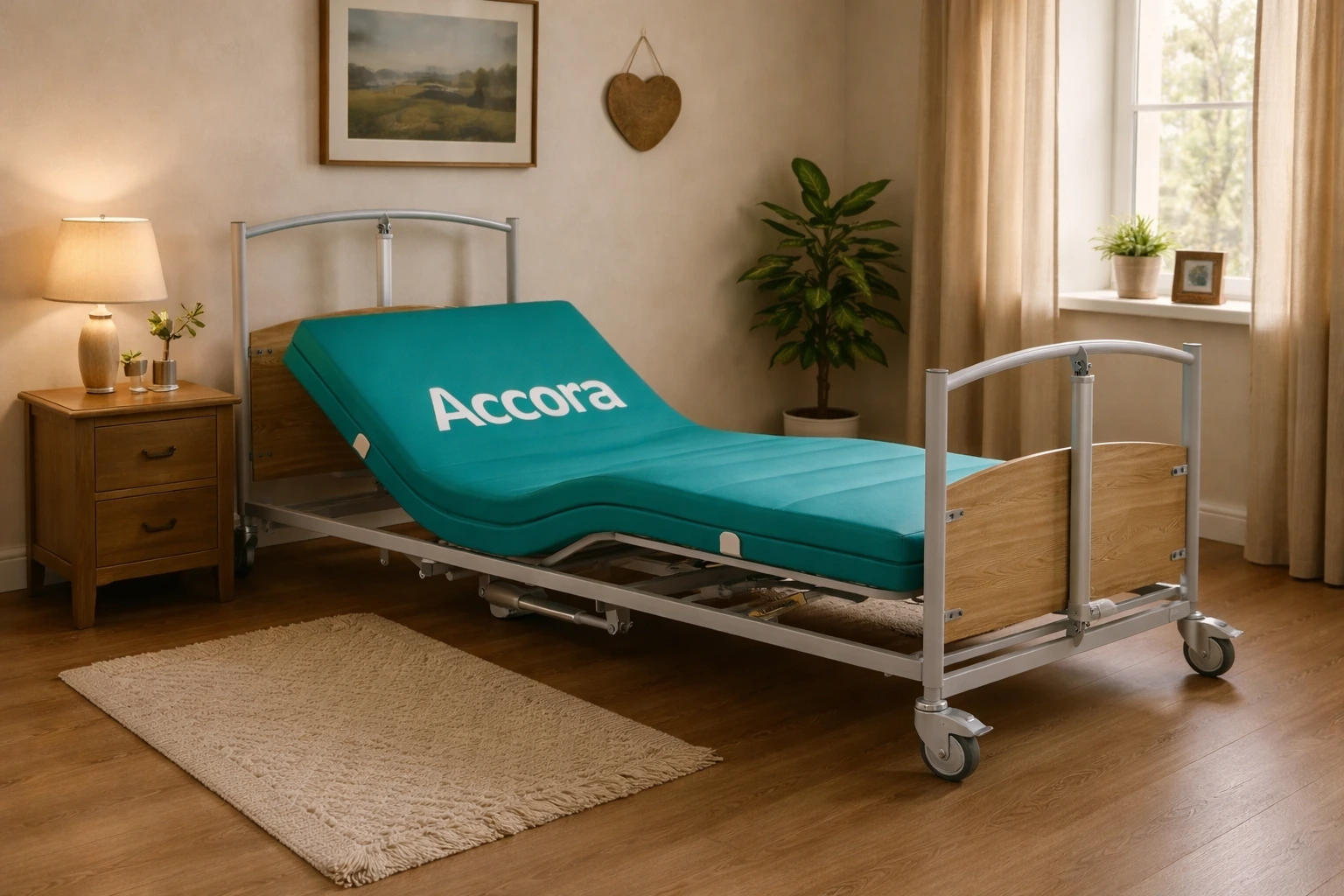
Low height models are designed to offer reassurance around fall risk while still maintaining a practical height for getting in and out of bed. They are often suitable where mobility has begun to reduce but independent or assisted transfers are still taking place and so a full floor-level bed may not be necessary. Further guidance on choosing low height profiling beds can help when balancing safety, comfort, and everyday usability.
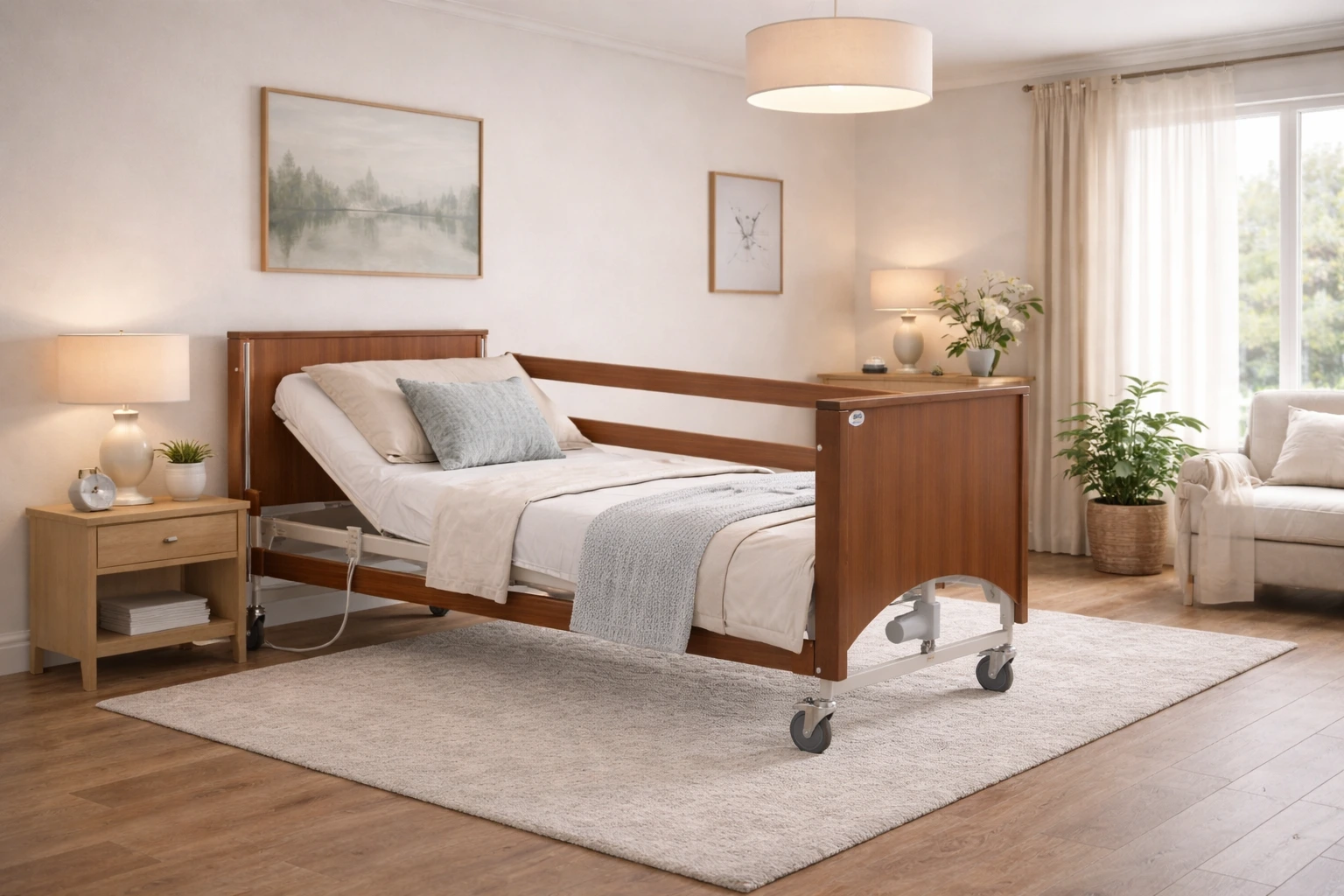
Standard height profiling beds provide adjustable positioning to support pressure redistribution, postural comfort and safer participation in daily activities such as eating, reading or personal care in bed, while maintaining a more familiar sleeping height. This can feel reassuring for many people who are adapting to using care equipment for the first time. Information about different styles of standard height profiling beds may help in understanding how these beds fit into typical home environments.
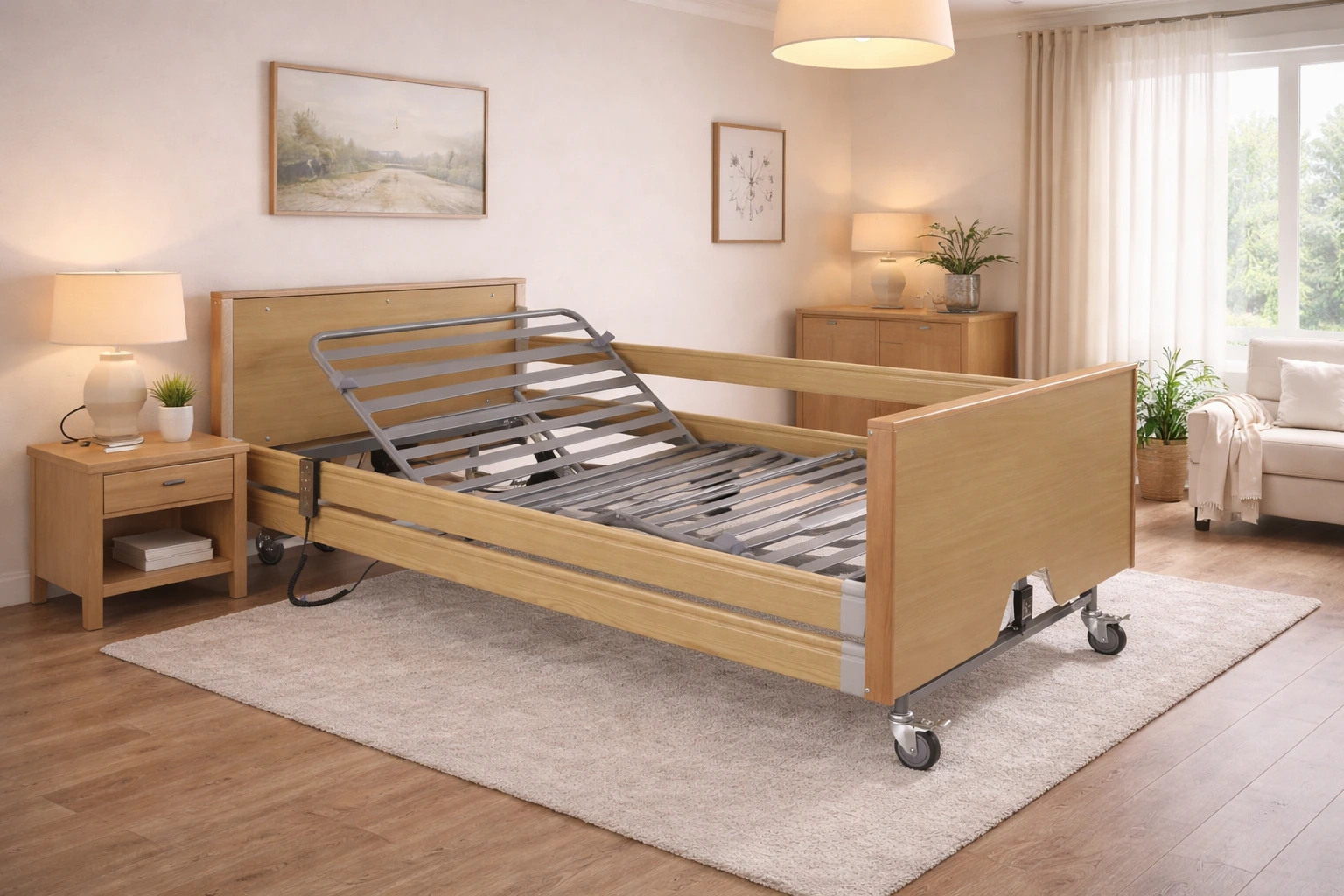
A wider sleeping surface can make it easier to change position during the night and may improve overall comfort for some individuals. Extra width can also be helpful where a partner or carer provides support with movement or repositioning. You can explore the practical benefits of wide profiling beds when additional space and flexibility are important considerations.
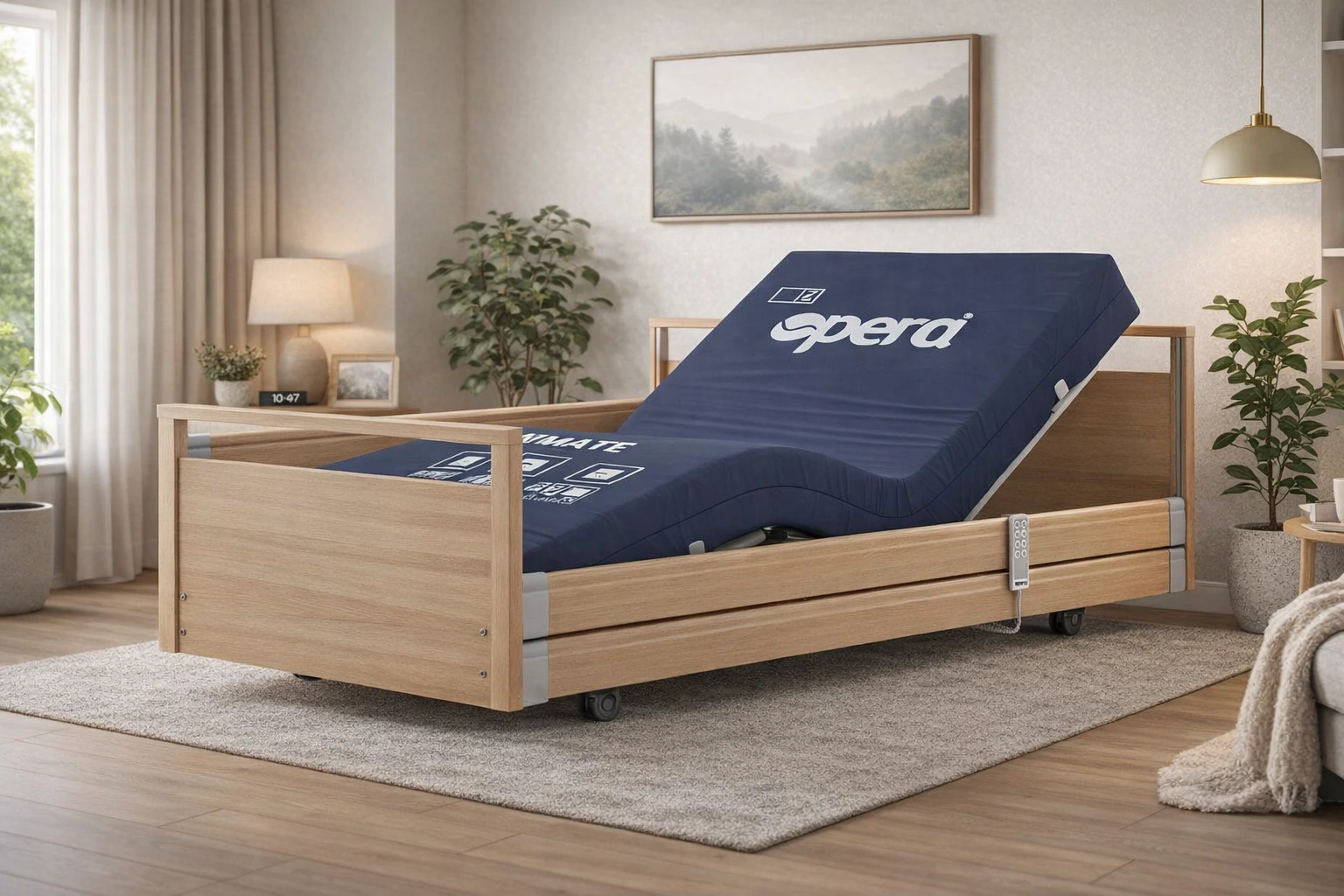
Bariatric models are developed to support higher safe working loads and are usually built with reinforced frames and enhanced stability features. Selecting a bed with an appropriate weight capacity is an important part of promoting long-term safety and reliability. More detailed information about bariatric profiling beds can support informed decision-making where higher levels of support are required.
For many people, introducing a profiling bed is linked to gradual changes in comfort, mobility or confidence rather than a single event. Recognising these signs early can help individuals and families plan ahead and create a safer living environment before daily routines become more physically demanding.
Taking a proactive approach can often help maintain independence while reducing the likelihood of falls or unnecessary strain.
Modern profiling beds include a range of supportive functions designed to support safer positioning, reduce physical strain and make day-to-day care routines more manageable within the home.
Some beds allow the mattress platform to tilt gently to support circulation, breathing comfort or specific clinical positioning needs.
Auto-regression mechanisms help reduce pressure and friction when sitting upright, supporting improved posture and comfort during extended periods of rest.
Adjustable platform height can make everyday movements feel more controlled while helping carers assist at a more comfortable working level.
Bed side rails can provide additional reassurance for some individuals by helping to reduce the risk of accidental falls or by offering a supportive point of reference when repositioning in bed. However, they are not suitable for everyone and should always be considered alongside an individual assessment of mobility, cognition and overnight movement patterns.
It is important that side rails are compatible with the specific profiling bed model and mattress being used. Incorrect combinations can create gaps or height differences that may increase the risk of entrapment. For this reason, rails should ideally be selected and installed following professional guidance and in line with current UK safety recommendations.
When chosen appropriately, integrated side rails or safety surrounds can help improve confidence during rest and support safer night-time positioning, particularly where mobility or balance has become more limited.
Choosing a suitable mattress is an important part of creating a safe and comfortable profiling bed environment. Mattresses designed for adjustable beds are made to flex with the profiling platform, allowing the bed to move more freely while helping to distribute body weight more evenly. This can support comfort and may help to reduce pressure on areas that are at greater risk during extended periods of sitting or lying where independent repositioning may be reduced.
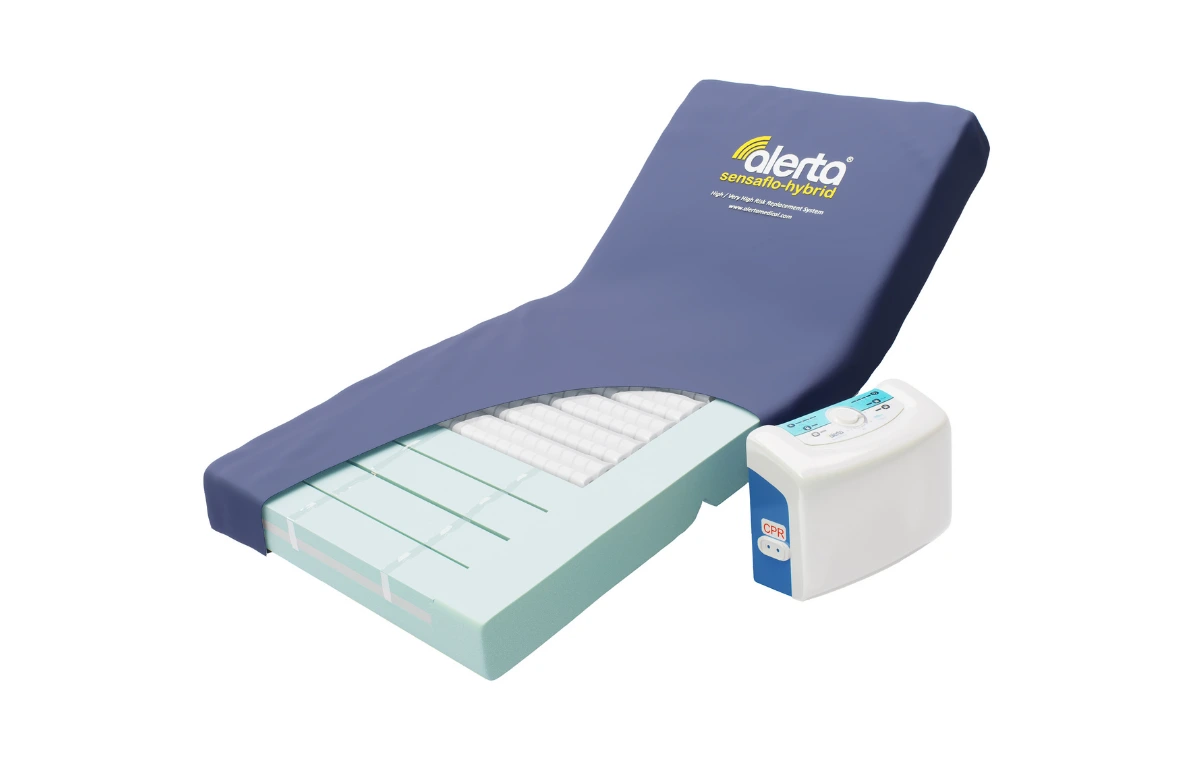
Depending on individual needs, different pressure-relieving mattress types may be considered, such as supportive foam designs, hybrid foam-and-air models, or active alternating systems that regularly adjust pressure levels. You can learn more about how these options compare in our dedicated guide to pressure care mattresses.
Accessories such as bed grab rails, lifting poles and overbed tables can help improve independence and make everyday routines feel more manageable.
Where additional accessories are required, suitable options can often be discussed and arranged alongside the purchase of a profiling bed to help ensure compatibility and safe installation.
Where lifting equipment such as mobile hoists or transfer aids is required, sufficient clearance around the bed for safe hoist positioning, turning space and carer access and suitable height adjustment can help enable safer transfers. Planning how equipment works together can support long-term independence at home.
Choosing a profiling bed for the home is often about finding the right balance between comfort, safety, and maintaining everyday independence. Taking time to think about both current needs and what may be helpful in the future can make the transition feel smoother and more reassuring for everyone involved.
In many situations, a profiling bed is introduced as part of planning ahead for changing mobility or health needs. Choosing a model that can adapt to increasing support requirements may help reduce the need for further equipment changes later.
A profiling bed is often one part of a wider approach to safer home living. Clear access routes, supportive seating, good lighting and appropriate flooring can all contribute to improved confidence and reduced risk.
If you feel additional support may now be beneficial, reviewing the available profiling bed options for home use can help you better understand the features designed to improve comfort and safety.
If you would like personalised guidance, our team can help you explore suitable solutions based on your individual needs.
