Mobility scooters provide a practical and considered way to maintain independence, confidence and everyday comfort when moving around both inside and outside the home. As mobility needs gradually change, having the right mobility scooter can help make activities such as shopping, travelling locally or spending time outdoors feel more manageable and reassuring.
Understanding how to choose the right mobility scooter involves considering lifestyle, environment and long-term needs. With a wide range of mobility scooters available in the UK, from compact folding models to road-legal designs, taking an informed approach can help ensure the right balance between comfort, usability and reliability.
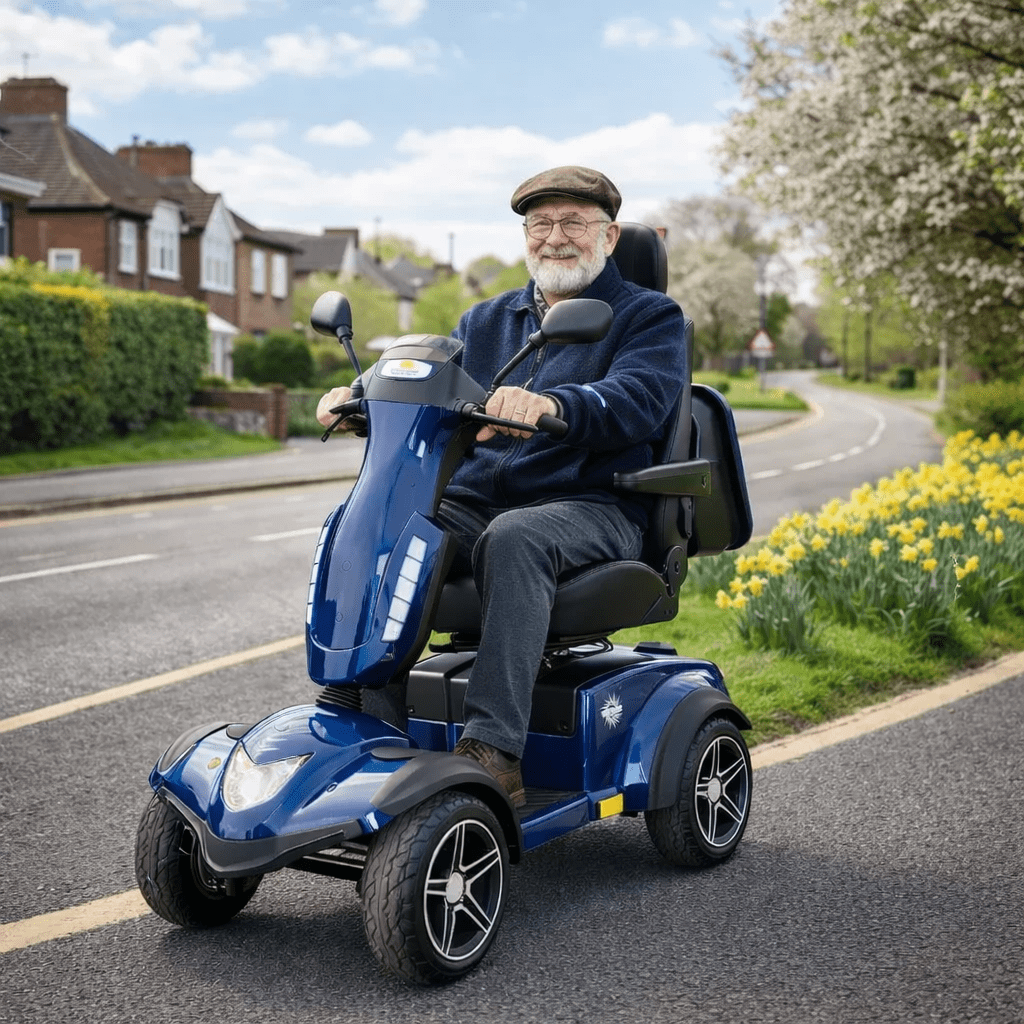
Mobility scooters are designed to support individuals who may find walking longer distances difficult or tiring. They provide a stable, seated form of transport with intuitive controls, making them suitable for a wide range of users, including older adults and those with reduced mobility.
In the UK, mobility scooters are commonly used for both pavement and road travel, depending on the type of scooter. Choosing the right model depends on how far you plan to travel, the terrain you will encounter and how often the scooter will be used.
Choosing between different types of mobility scooters depends largely on where and how they will be used. Each category offers specific advantages in portability, battery range and comfort.
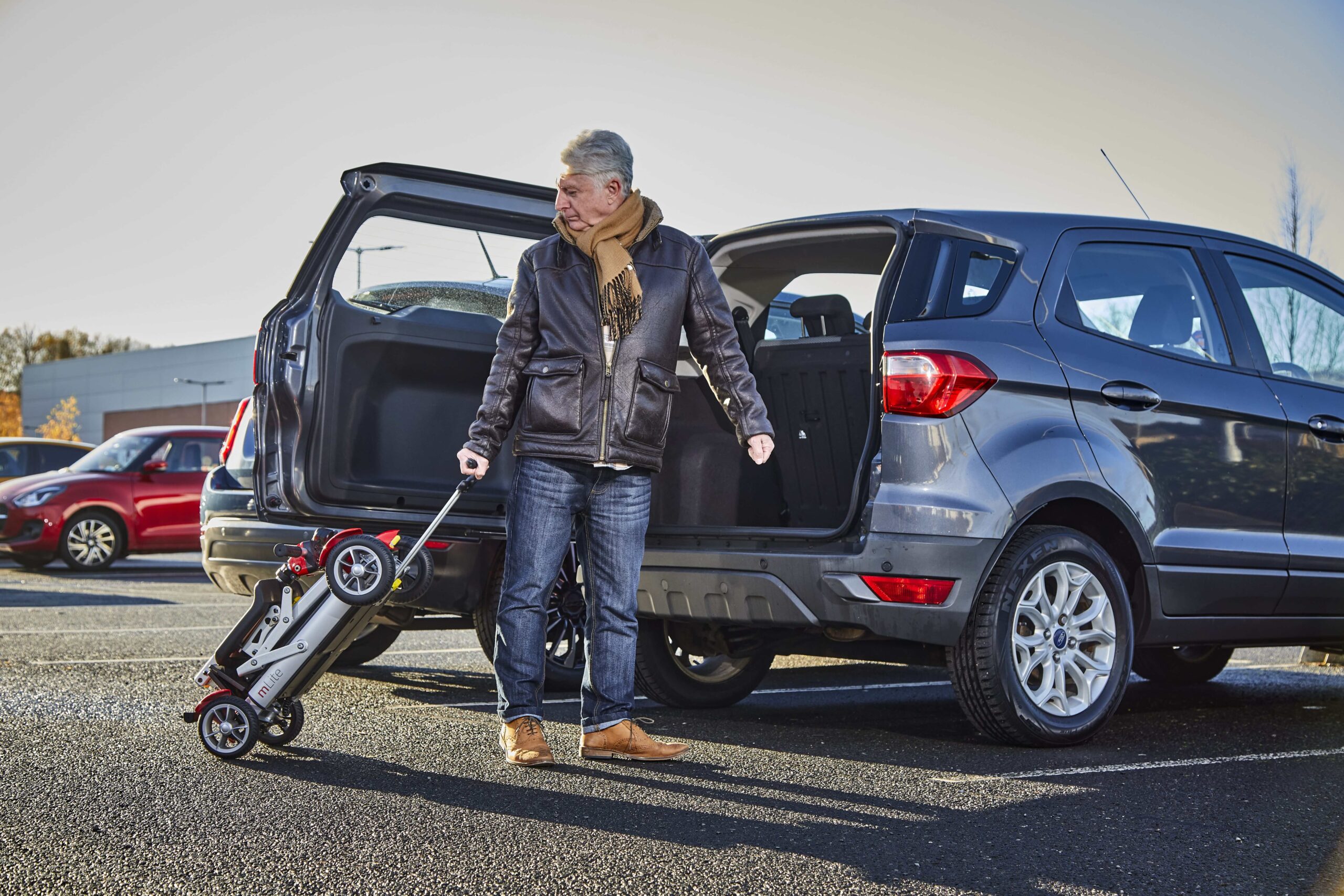
Boot scooters, also known as folding mobility scooters, are lightweight and designed for easy transport. Many models can be dismantled or folded to fit into a car boot, making them one of the best mobility scooters for travel and short journeys.
They are typically suited to smooth surfaces and offer a battery range of around 8–15 miles, depending on the model.
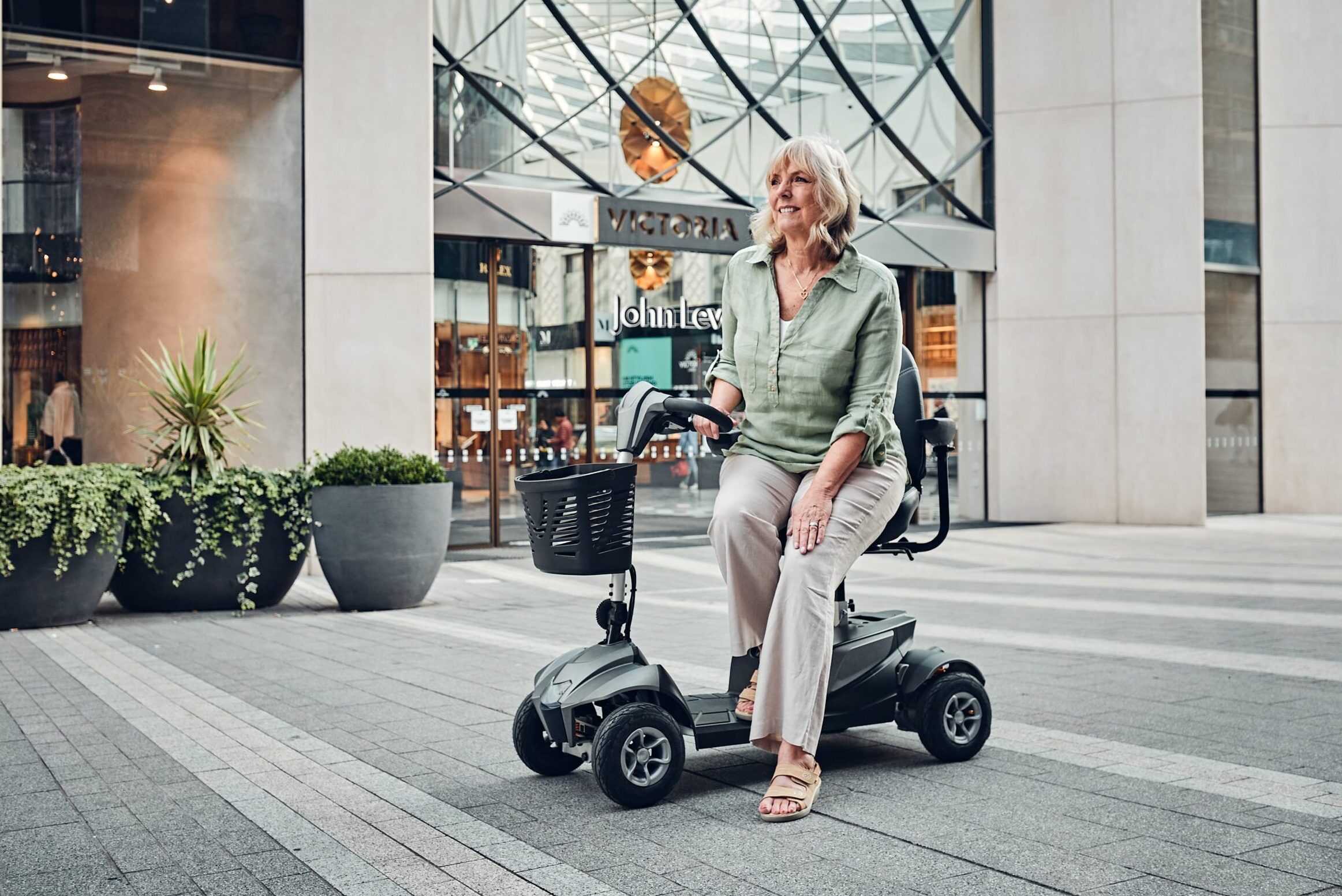
Pavement mobility scooters are designed for regular outdoor use on footpaths and local routes. They offer improved stability, more supportive seating and a longer battery range, often between 10–25 miles.
These scooters are commonly chosen for everyday use, providing a balance between comfort and manoeuvrability.
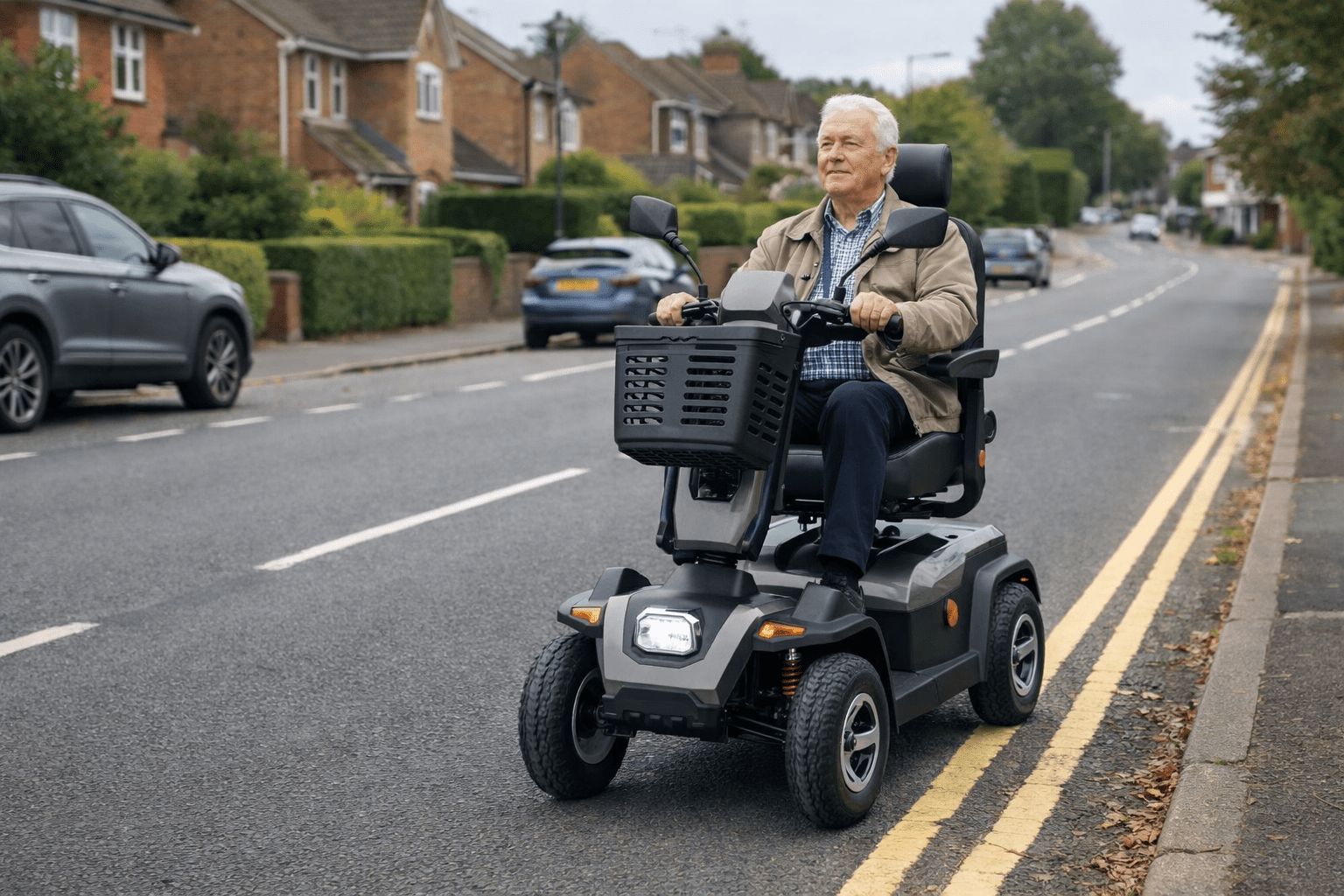
Road legal mobility scooters (Class 3) are designed for longer journeys and can be used on roads where appropriate. These models often include suspension, lights, mirrors and higher speed capabilities of up to 8mph, with battery ranges that can exceed 20–30 miles.
They are typically suited to individuals who rely on their scooter as a primary mode of transport.
In the UK, mobility scooters are divided into two main classes:
Understanding the difference between Class 2 and Class 3 mobility scooters is essential when choosing a model that suits your daily routine and travel requirements.
Understanding the key features of a mobility scooter can help ensure it is well suited to individual needs and everyday use.
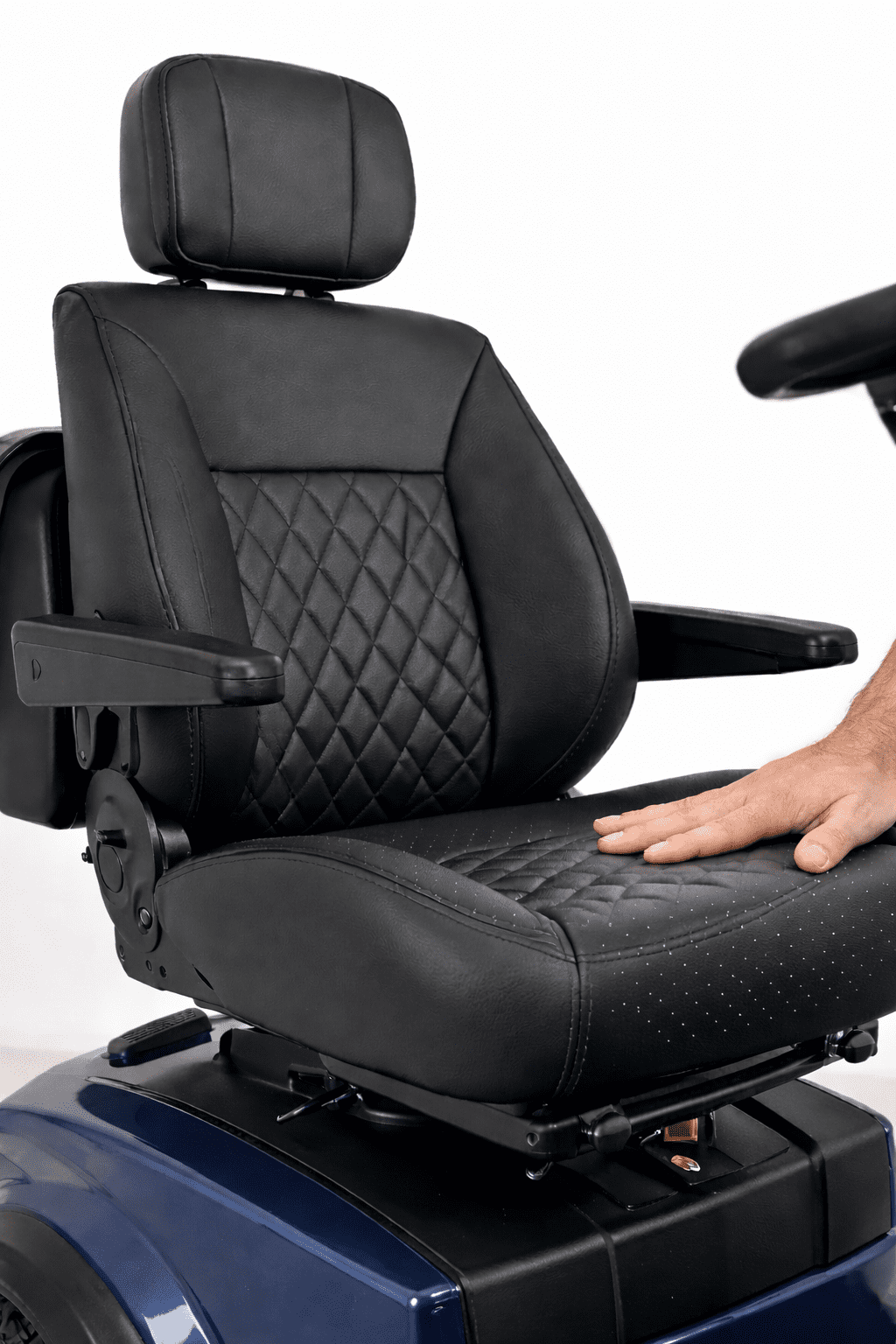
Supportive seating is essential, particularly for longer journeys. Features such as padded seats, adjustable armrests and swivel functions can improve comfort, posture and accessibility.
Battery range determines how far a scooter can travel on a single charge. Choosing a model with sufficient range for daily journeys, whether 10 miles or over 30 miles, helps avoid unnecessary limitations.
Folding mobility scooters and lightweight designs are easier to transport and store, particularly for those who travel frequently by car.
Larger scooters with enhanced suspension and wider wheels are better suited to uneven terrain, while compact models are ideal for indoor or paved surfaces.
Mobility scooters are often introduced gradually as part of adapting to changes in mobility, balance or stamina.
Finding the best mobility scooter in the UK involves considering how it will fit into everyday life.
Taking time to compare different mobility scooters can help ensure the right balance between practicality, comfort and long-term usability.
No driving licence is required. However, users should follow UK guidance depending on whether the scooter is used on pavements or roads.
Prices typically range from around £800 for compact models to over £3,000 for larger road-legal mobility scooters, depending on features and specifications.
The best mobility scooter depends on individual needs. Pavement scooters are often suitable for daily use, while folding scooters are ideal for travel and portability.
Folding mobility scooters prioritise portability, with compact designs that can be folded or dismantled for transport in a car or on public transport. In contrast, pavement scooters (Class 2) are larger and more robust, offering improved comfort, stability and battery range for everyday outdoor use.
A well-chosen mobility scooter can support greater independence, helping individuals stay connected to their surroundings, maintain routines and enjoy everyday activities with increased confidence.
Exploring a range of mobility scooters can help build a clearer understanding of the options available, from compact travel scooters to road-legal models designed for longer journeys.
Choosing a mobility scooter is an important step towards maintaining independence and comfort. By understanding the different types, features and intended use, it becomes easier to select a solution that supports both current needs and future lifestyle changes.
