Pressure care and specialist seating can play an important role in supporting comfort, posture and skin integrity where mobility, health or time spent sitting begins to change. Whether used in a home, care or clinical environment, appropriate seating solutions are designed to help distribute body weight more evenly, reduce prolonged pressure on vulnerable areas and support individuals to remain comfortable and well-positioned throughout the day.
Modern specialist seating now combines clinical functionality with more homely, discreet designs, making it easier to introduce supportive equipment without compromising on the look and feel of a living space. From fully adjustable healthcare riser recliners to advanced postural seating systems, a range of options are available to support both short-term recovery and long-term comfort needs.
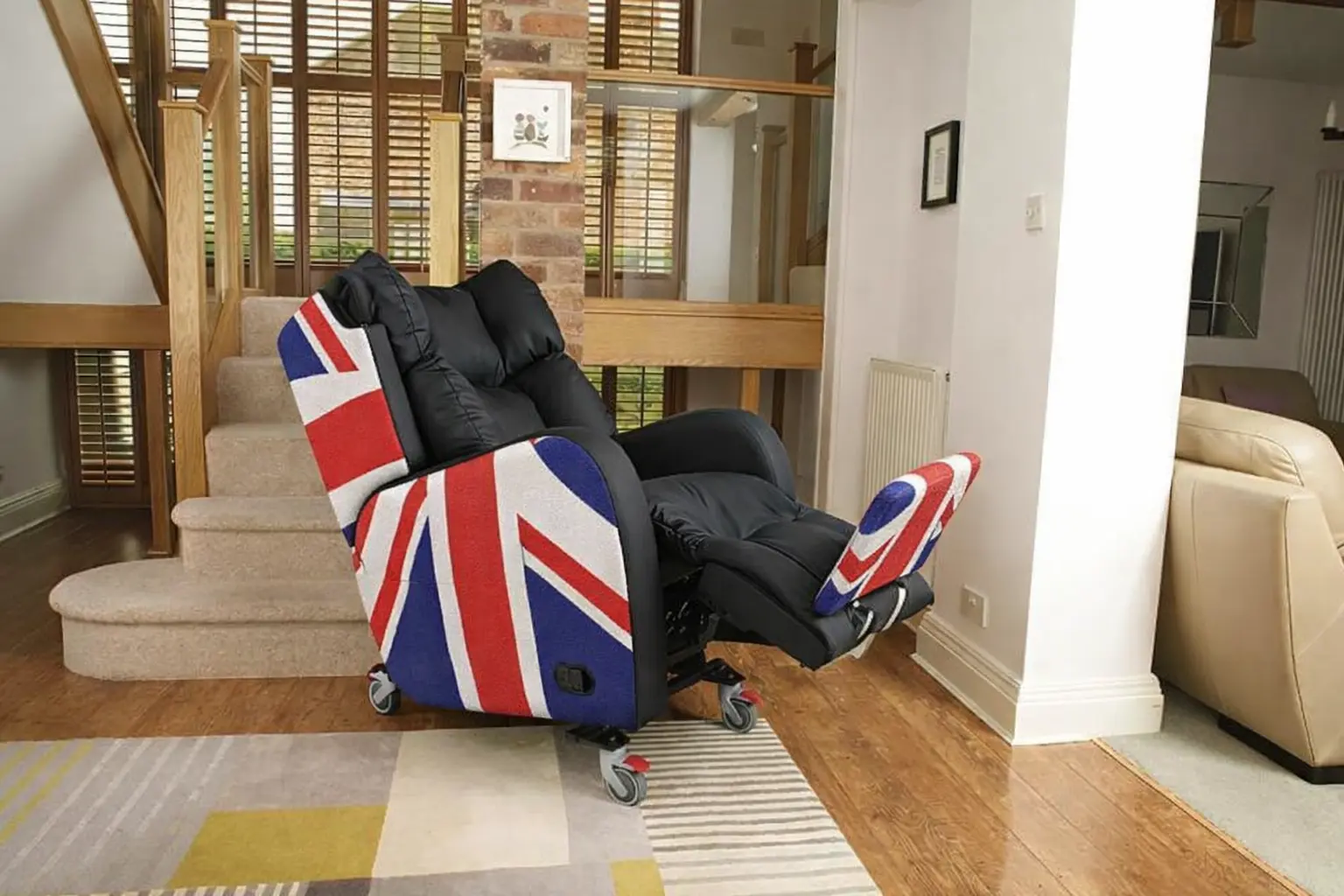
Pressure care focuses on reducing the risk of skin damage caused by prolonged pressure, particularly over vulnerable areas such as the hips, sacrum and heels. When someone spends extended periods sitting without regular repositioning, blood flow to these areas can become restricted, increasing the risk of pressure ulcers.
Specialist seating and pressure care solutions are designed to help manage this risk by redistributing weight, minimising shear and supporting improved posture. Introducing appropriate pressure care at an early stage can help maintain comfort, protect skin integrity and reduce the likelihood of more complex needs developing over time.
Riser recliner chairs with pressure care combine pressure-relieving seating with assisted standing support, making them a practical option where mobility and independent repositioning may be reduced.
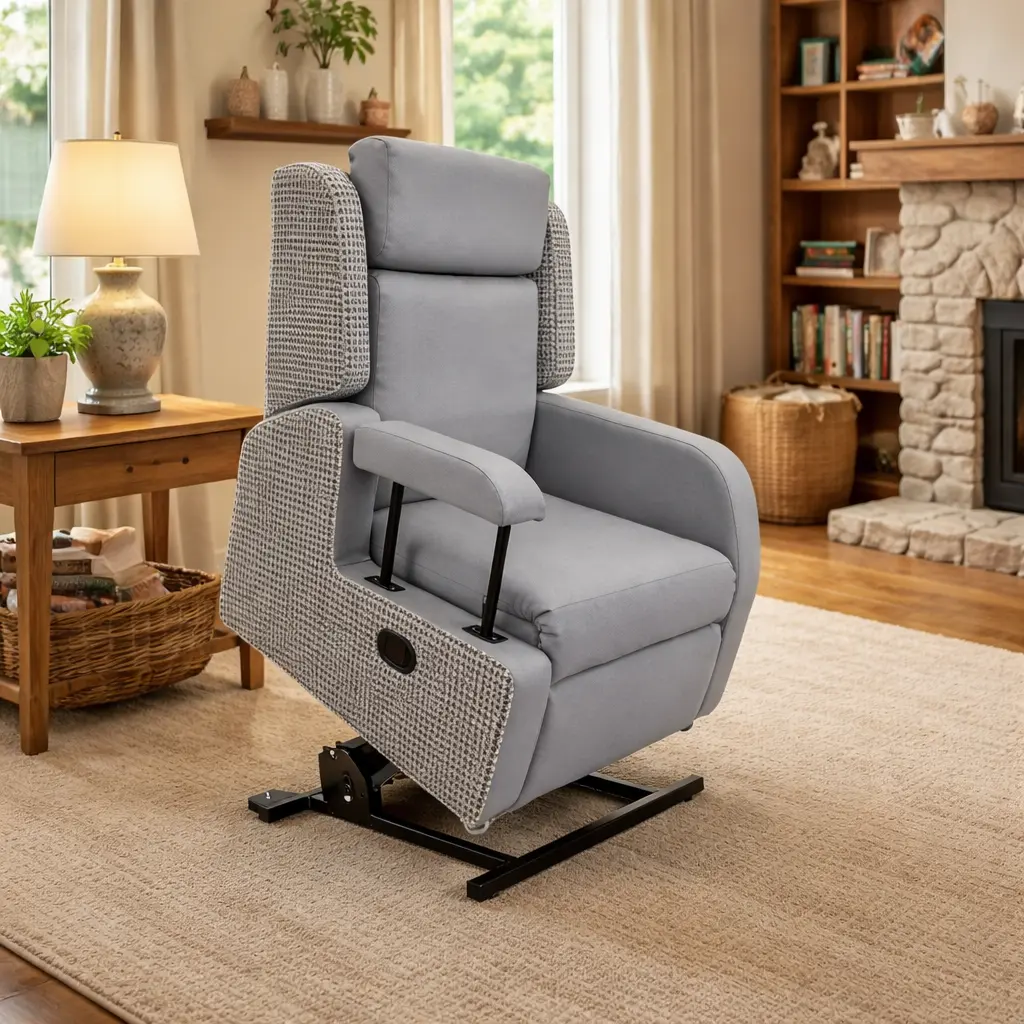
Their adjustable positioning allows users to safely change posture throughout the day, helping to minimise prolonged pressure while supporting circulation and overall comfort.
Many models designed for pressure care incorporate specialist 4-way stretch fabric across key contact areas. This material moves and flexes in multiple directions, allowing the seating surface to better contour to the body. As a result, it helps to reduce shear and friction—two key factors associated with skin damage—while enhancing overall pressure redistribution.
Depending on the specification, riser recliners can be suitable for individuals with low to high pressure risk, particularly where regular postural changes are supported through powered movement.
Key benefits:
When considering pressure care, it is not only direct pressure that affects skin integrity. Shear and friction are also important factors that can contribute to the development of pressure damage.
Friction occurs when the skin rubs against a surface, such as a chair or cushion. This can cause superficial skin irritation, particularly where individuals may move or be repositioned frequently.
Shear occurs when the skin remains in place but the underlying tissues move, often as a result of sliding down in a chair or being repositioned without adequate support. This can place strain on deeper layers of tissue and is a significant risk factor in pressure ulcer development.
Specialist seating is designed to help reduce both of these forces through supportive positioning, appropriate cushioning and the use of materials such as 4-way stretch fabrics, which move with the body rather than against it.
Regular repositioning, correct chair setup and selecting appropriate pressure care equipment all play an important role in managing these risks effectively.
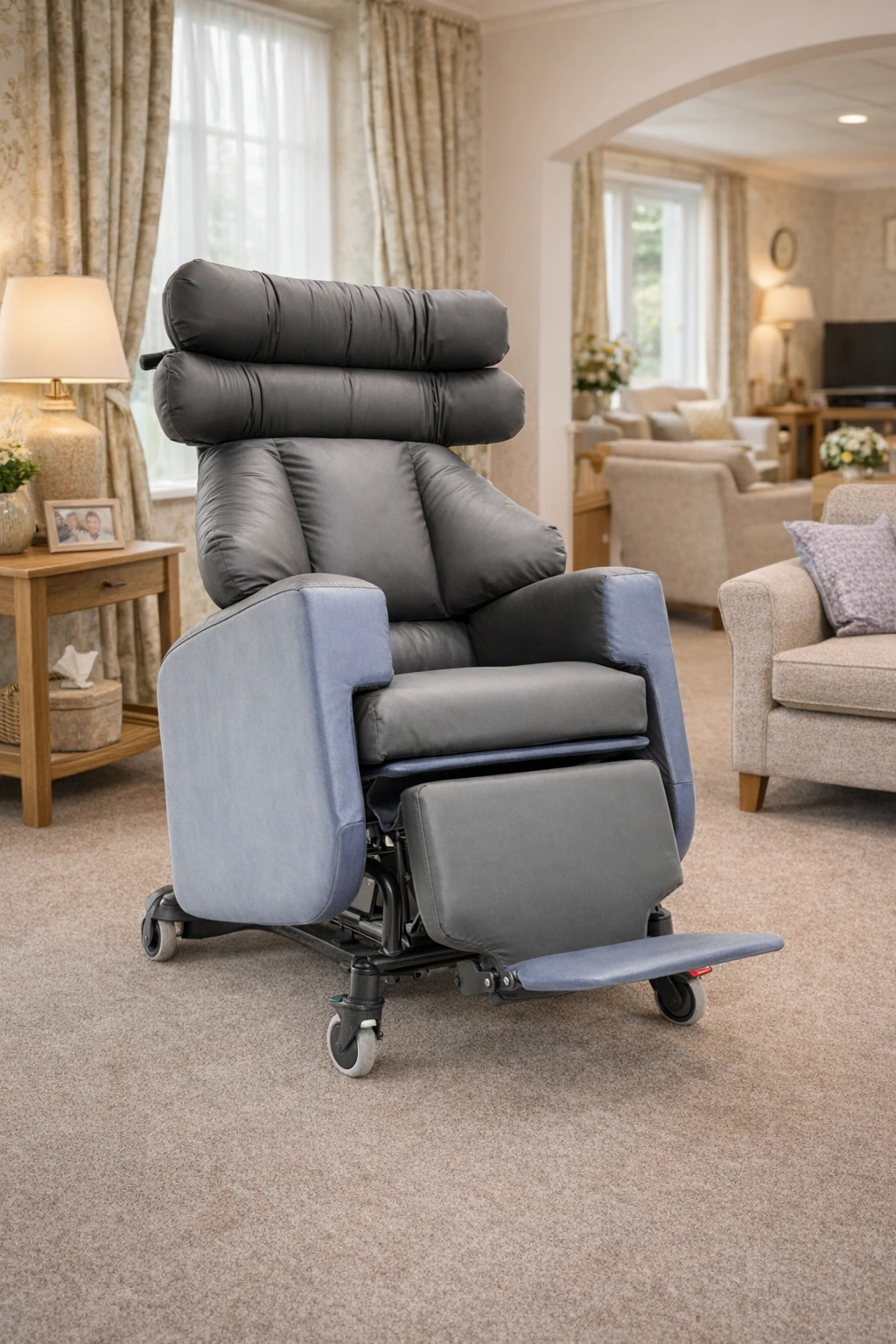
For individuals with complex needs, specialist seating systems provide enhanced postural support alongside pressure care. These chairs are often highly adjustable and may include lateral supports, tilt-in-space functionality and custom positioning options.
Bariatric seating options are also available, designed to support higher weight capacities while maintaining effective pressure redistribution and stability. These models are typically wider and reinforced, helping to ensure both comfort and long-term reliability.
Specialist seating incorporates a range of features designed to improve comfort and reduce pressure-related risks in everyday use.
Materials and design features help spread body weight more evenly, reducing peak pressure points and supporting skin integrity.
This feature allows the entire chair to tilt while maintaining posture, helping to offload pressure without requiring active movement from the user.
Independent adjustment supports changes in posture, helping to improve comfort, circulation and overall seating tolerance.
Foam, gel, and air technologies each provide distinct advantages depending on individual needs, risk levels, and comfort preferences. Foam cushions are often used for general comfort and basic pressure redistribution, while gel cushions can help with improved pressure relief and cooling. Air cushions, on the other hand, are typically suited to higher-risk users, offering dynamic pressure management through adjustable air cells.
Importantly, some healthcare seating is designed with interchangeable cushion systems, allowing care provision to be easily adapted over time. This means cushions can be swapped out to increase or reduce pressure care levels as needs change—whether due to a user’s condition progressing, improving, or when the chair is used by different individuals. This flexibility supports both personalised care and long-term usability, ensuring the chair remains appropriate without needing full replacement.
Introducing specialist seating is often linked to gradual changes rather than a single event. Recognising early signs can help prevent discomfort and support long-term wellbeing.
Taking a proactive approach can help maintain independence while reducing the likelihood of more complex pressure care needs.
Good posture is closely linked to effective pressure care. Sitting in a well-supported position helps distribute weight evenly, reduces strain on joints and supports breathing and digestion.
Specialist seating aims to achieve a balanced, midline posture where the pelvis is stable, the spine is supported and the feet are appropriately positioned. Small adjustments in seating can make a significant difference to comfort over time.
Selecting appropriate seating involves balancing comfort, risk management and practical day-to-day use. Individual needs can vary significantly, so taking time to assess requirements is important.
Where needs are more complex, professional assessment can help ensure equipment is correctly matched and adjusted.
Specialist seating is often one part of a wider approach to pressure care. Regular repositioning, appropriate mattresses, good nutrition and skin monitoring all contribute to maintaining comfort and reducing risk.
Creating a supportive environment that encourages movement, comfort and independence can help individuals remain more confident in their daily routines.
If you feel additional support may now be beneficial, exploring specialist seating and pressure care options can help you better understand the solutions available.
If you would like personalised guidance, our team can help you find seating that supports both comfort and long-term wellbeing.
